
When everyone
looks the same,
be human.
AI can generate a professional logo in minutes — which is exactly why every brand now looks alike. The businesses that stand out in 2026 won’t have the slickest AI design. They’ll have the identity AI can’t copy.
Clean. Geometric. Minimal. Indistinguishable from a thousand others.
Story-driven. A little imperfect. Impossible to forget — and impossible to copy.
Is your brand equipped to stand out?
In today’s hyper-competitive market, first impressions are more valuable than ever — and they last a blink. A strong company image no longer revolves around a logo and a business card; it means establishing a whole identity. That’s what makes you different, and what builds trust.
2026 is the year of big change. AI tools can produce a professional logo or an entire brand kit in minutes, so everyone has added AI to their design toolkit — which is precisely why so many firms now look identical.
Your brand is essentially a person. Like a person, it needs a face, a voice, and a personality — reflected in everything it puts out.
With AI’s growing prominence, your brand’s ability to communicate with both humans and machines is more critical than ever.
increase in consumer trust from a consistent brand identity across all touchpoints
average price premium commanded by brands with strong, recognisable identities
drop in brand guideline violations since AI enforcement tools became standard
Branding is no longer just visual
Branding is more than a logo or a tagline — it’s the embodiment of your company’s identity and values. It’s how your audience recognizes you, trusts you, and ultimately chooses you over competitors.
But here’s what’s new: branding isn’t just about how your business looks to a customer scrolling Instagram. More buyers now use tools like ChatGPT, Gemini, and Google AI Overviews to research companies, compare products, and discover brands before ever visiting a website.
Your branding materials now need to be discoverable, consistent, and credible enough for AI systems to recommend you — not just visually appealing enough for a human to remember you. That’s the new branding reality. Let’s unpack exactly what you need.
The essential branding materials
every business needs in 2026
Ten assets that tell a cohesive, professional story — to the humans who choose you, and to the machines that increasingly recommend you.
Logo design
Your logo is still the core of your brand. It must be memorable, work at every scale — from browser favicon to billboard — and stay reliable everywhere it appears.
Business cards
In a digital-dominated world, a card is a physical reminder that your brand exists. Print is quietly making a comeback, because physical is a trust signal — and studies show physical media activates the brain differently, producing higher recall.
Brand guidelines
Consistency doesn’t happen by accident. Your team, agency, and freelancers can only represent the brand accurately if there’s one document they all reference — covering colour (with hex codes), typography, imagery style, tone of voice, and logo usage, applied across decks, platforms, and social.
Corporate website
Your website isn’t a digital brochure — it’s your storefront, and increasingly the primary source AI uses to learn about and represent your business. Make it fast, mobile-optimised, and a true expression of the brand. Personalised experiences, AI-driven recommendations, and adaptive layouts are where businesses now stand out.
Social media assets
Every platform has its own culture; your brand adapts while staying recognisable — from profile image to post. Two trends dominate in 2026:
- Motion now matters as much as palette and typeface — static visuals struggle to hold attention on the screens where brand interaction actually happens.
- Localisation — global brands are shifting to localised design systems where type, colour, imagery, and language adapt to local culture while the core identity holds. Netflix does this effectively across regional markets without losing global recognition.
Branded merchandise
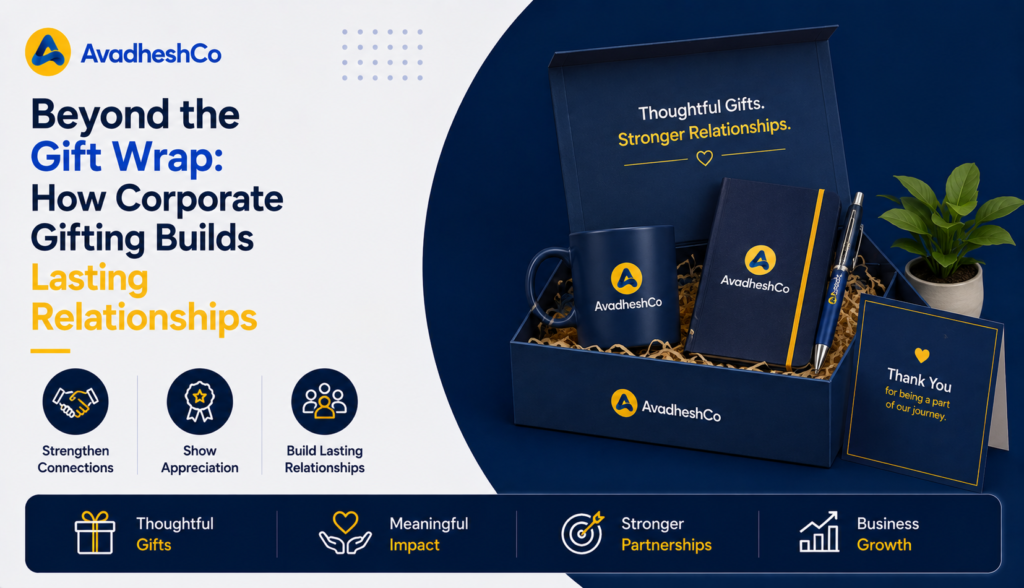
Apparel, mugs, tech accessories, notebooks — merch promotes your brand while building genuine loyalty. The mantra is unchanged but stronger: quality over quantity. A hardcover notebook with premium paper stock signals care and keeps your brand top-of-mind every time it’s used — a real relationship-building tool for press outreach and high-value client gifting.
Email marketing templates
Email remains the most reliable, highest-ROI marketing tool available — and in an era flooded with AI-generated marketing, a genuinely well-branded, human-feeling email stands out more than ever. Templates keep your identity consistent with every contact, whether client, prospect, or candidate.
Presentation decks
Investor presentations, client pitches, internal town halls — your deck is the first visual content many people ever see from you. It should look sharp, navigate easily, and reflect the brand.
AI-visibility & brand consistency tools
This is the genuinely new item on the 2026 checklist. As AI increasingly shapes how customers discover, compare, and choose brands, the ones that win are the brands AI deems credible and authoritative — and that people genuinely love and advocate for over time.
Generative Engine Optimization (GEO)
Structure your brand information so AI-generated answers and recommendations incorporate it accurately.
- AI brand monitoring — use AI-powered social listening to track sentiment, how discussions about you cohere, and increasingly, how AI systems talk about you.
- Consistency across AI touchpoints — make sure your chatbots, AI assistants, and automated customer service reflect your brand voice accurately.
It takes more than a logo.
You can’t build a strong corporate brand with just a logo or a tagline. It takes a curated, thoughtful collection of materials that tell a cohesive, professional story — a story told not only to the humans who interact with your brand, but increasingly to the AI systems helping them decide.
From business cards and letterheads through to digital assets, motion-first social templates, and an AI-visibility toolkit, each piece builds competitive advantage.
When everyone is using AI to create “modern professional design”, authenticity is your only real competitive advantage.
Investing in these assets bolsters your perceived authority and helps you connect meaningfully with your audience — in a year when attention is more fragmented and AI-mediated than ever. Branding assets that are well-made, cohesive, and true to your purpose set the stage for memorable experiences and real business relationships that an imitation AI template could never achieve. Apply these core elements and your brand rises above the competition in an increasingly automated, crowded landscape — making a clear, unmistakably human impression wherever your business shows up.
Your brand isn’t a logo. It’s a promise.
We believe your brand is the promise of your business — and in 2026, it’s a signal that has to land with both humans and AI systems. We help businesses like yours create branding assets your audience connects with, so you stand out amid the rising wave of AI-generated sameness.
Our team stays current — from motion-first branding to AI brand awareness — to keep your brand alive, credible, and unmistakably human.